 +9779851155202
 incrediblemountains@gmail.com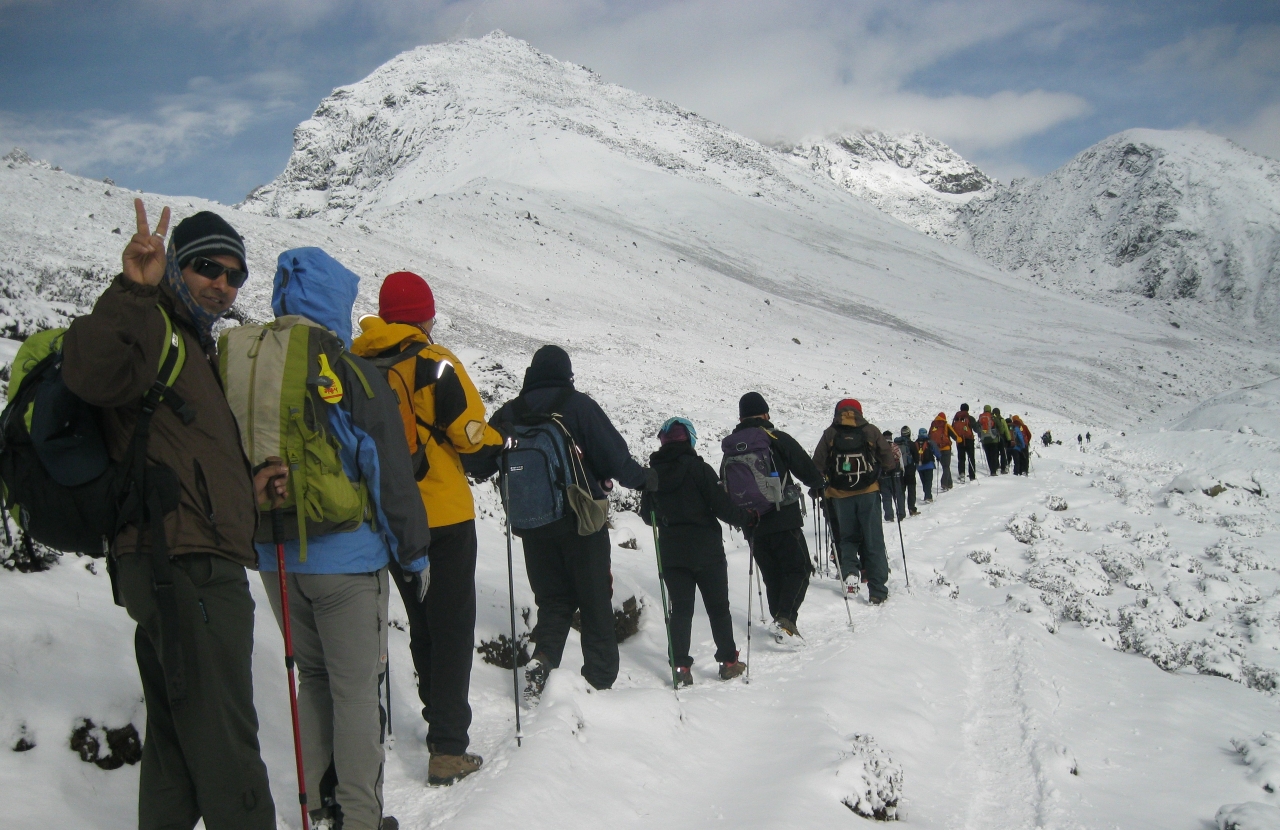
11th Dec, 2022
Trekker's FAQ
- incrediblemountains
Planning your first Himalayan trek comes with a lot of questions — from fitness and gear to altitude, food, and safety on the trail. We've put together answers to the questions we hear most often from trekkers preparing for Annapurna, Everest Base Camp, and beyond.
Table of Contents
Table of Contents
- Fitness & Beginners
- Gear & Packing
- Health & Altitude
- Food & Water
- Weather Conditions
- Wildlife & Safety
- Trek Logistics
- Essential Trekking Gear Checklist
Fitness & Beginners
How fit do I need to be?
You don't need to be an athlete, but a moderate level of fitness makes the trek far more enjoyable. We recommend building up your stamina with regular walking, hiking, or cardio sessions for 4–6 weeks before you fly out, along with some stair-climbing or light leg-strength training.
Can beginners do the Annapurna trek?
Yes. The Annapurna Base Camp trek involves no technical climbing or mountaineering skills — it's simply a long walk at altitude. With a sensible pace and a good guide, it's one of the most beginner-friendly treks in Nepal.
Is trekking safe for beginners?
Yes, as long as you trek with an experienced guide, follow a sensible itinerary with built-in acclimatization days, and listen to your body along the way. Most issues beginners run into come from overexertion, not the trek itself.
What exercises help before trekking?
Walking and hiking are the most directly useful, since they condition the exact muscles and stamina you'll need. Stair climbing, light cardio (jogging, cycling, swimming), and leg-strength exercises like squats and lunges all help too.
What's the biggest mistake beginners make?
Walking too fast. Trekkers who rush the first few days, or skip acclimatization days to "make good time," are far more likely to struggle with altitude sickness and exhaustion later in the trek. Slow and steady is genuinely the best strategy at altitude.
Gear & Packing
What shoes should I wear?
A pair of broken-in trekking boots with good ankle support is essential. Never wear brand-new boots on a trek — break them in with several weeks of walking beforehand to avoid blisters.
How much weight should I carry?
On most guided treks, you'll only need to carry a daypack of around 5–8kg with your daily essentials — water, snacks, a jacket, camera. Porters carry your main duffel bag with the rest of your gear.
What should I pack?
Pack in layers (base layer, insulating layer, waterproof shell), a headlamp, sunscreen and sunglasses, a reusable water bottle, and a basic personal first-aid kit. A detailed packing list is provided once you book your trek.
Can I rent trekking gear in Pokhara or Kathmandu?
Yes, both cities have plenty of affordable and reliable gear rental shops, particularly around Thamel in Kathmandu and the Lakeside area in Pokhara. This is a great option if you don't want to buy gear you'll rarely use again.
Is a trekking pole useful?
Very. Trekking poles significantly reduce the strain on your knees, especially on long descents, and help with balance on uneven or icy terrain.
Health & Altitude
What medicines should I bring?
Common recommendations include Diamox (for altitude acclimatization, taken under medical advice), general pain relief, rehydration salts, and any personal prescription medications you take regularly. Always consult a doctor before your trip for personalized advice.
How do I avoid altitude sickness?
Ascend slowly, stay well hydrated, and follow your itinerary's built-in acclimatization days rather than skipping them. Avoid alcohol at altitude, and if you feel unwell, don't push higher until symptoms improve.
How high is the altitude?
It depends on the trek — the Annapurna Base Camp trek tops out at around 4,130m, while the Everest Base Camp & Kala Patthar trek reaches roughly 5,364m at Base Camp and 5,545m at Kala Patthar.
What should I do if I get altitude sickness?
Stop ascending immediately and rest at your current altitude. Mild symptoms (headache, fatigue, loss of appetite) often improve with rest and hydration, but if symptoms worsen, descend right away — altitude sickness can become serious if ignored.
Is drinking water safe?
Tap water is not safe to drink directly. Stick to boiled, filtered, or chemically treated water throughout the trek — most teahouses offer boiled water, and treatment tablets or a filter bottle are good backups.
Food & Water
What food is available during trekking?
Teahouses along the route serve a solid variety of food — dal bhat (rice, lentils, and vegetables), noodle and soup dishes, pancakes, porridge, and momos are all common. Menus get simpler the higher you climb.
Is vegetarian food available?
Yes, vegetarian meals are widely available at every teahouse and are often the freshest option, since meat has to be carried up from lower altitudes.
Is non-vegetarian food available?
Yes, though we generally recommend sticking to vegetarian meals at higher altitudes, since meat isn't always stored or transported in ideal conditions the further up you go.
Weather Conditions
What if it rains or snows?
The trek generally continues as planned — your guide will adjust the day's pace, gear recommendations, and sometimes the route if conditions call for it. Waterproof layers are part of your essential packing list for exactly this reason.
What happens if there is snowfall?
Light snowfall rarely stops a trek, but your guides will assess trail conditions and may briefly pause or reroute in the case of heavier snowfall for safety. Guides carry local knowledge of the safest paths in changing conditions.
Wildlife & Safety
What emergency services are available?
Trekking routes have rescue posts along the way, and in serious cases helicopter evacuation can be arranged — this is why trek insurance covering high-altitude rescue is strongly recommended before you go.
What wildlife might I see in Annapurna?
You may spot langur monkeys, colorful pheasants (including Nepal's national bird, the Danphe), and if you're lucky, the elusive Himalayan tahr on higher, rockier sections of the trail.
Are wild animals dangerous to trekkers?
Generally, no. Most wildlife in the region actively avoids human contact and encounters are rare. Sticking to marked trails and not feeding or approaching animals keeps things safe for both you and the wildlife.
Are there bears in Annapurna?
Himalayan black bears do exist in the region, but sightings are very uncommon, particularly on well-trodden trekking routes where human activity is frequent.
What animals are most commonly seen?
Aside from wildlife, you'll regularly see mules and yaks carrying supplies along the trail, along with langurs and a variety of colorful mountain birds.
Trek Logistics
What is included in trekking packages?
Most packages include your licensed guide, all required permits, teahouse accommodation, and the majority of daily meals. Specifics vary by package, so always check the itinerary details before booking.
Is internet/electricity available?
Yes, most teahouses along the route offer paid Wi-Fi and charging facilities, though speed and reliability drop the higher you go, and prices increase with altitude.
How many hours do we walk daily?
Typically 5–7 hours per day, including breaks for meals, rest, and photos — though this varies by itinerary and specific day.
Are there toilets on the route?
Yes, teahouses along the route have toilets, though facilities become more basic (often squat-style) the higher and more remote you go.
Are ATMs available on the trek?
ATMs are available in Pokhara and Lukla, but not once you're on the trail itself. Carry enough Nepali cash for the full duration of your trek before setting off.
Essential Trekking Gear Checklist
While driving to the trailhead, it will be warm inside the vehicle but cold and windy outside. Mornings and evenings on the trail are generally cold, so warm clothing is essential even if the midday sun feels strong. We recommend bringing the following clothing and accessories with you.
Clothing & Footwear
- Good, well worn-in walking shoes
- Warm, comfortable & waterproof trekking boots
- Slippers for the camp
- Wool shirts
- Cotton shirts
- Regular underwear
- Thermal underwear
- Culottes/trousers for women
- Trousers/shorts for men
- Wind and rain gear with a hood
- Wool hat/mittens/gloves
- Other hats/cap
- Wool and cotton socks
- Sweaters
- Lined zip jacket/down jacket with a hood
- Tracksuit
- Warm clothes for sleeping
Personal Gear & Accessories
- Personal first-aid kit & necessary medications
- Toilet kit
- Flashlight/torch with extra batteries
- Sunglasses
- Water bottle
- Plastic bags for reading material, film, cameras, etc.
- Dust mask, silk scarves for use against dust
- Sunblock cream, lip salve, and hand sanitizer
- Chocolates, protein bars, and electrolytes
- Raincoat (poncho)